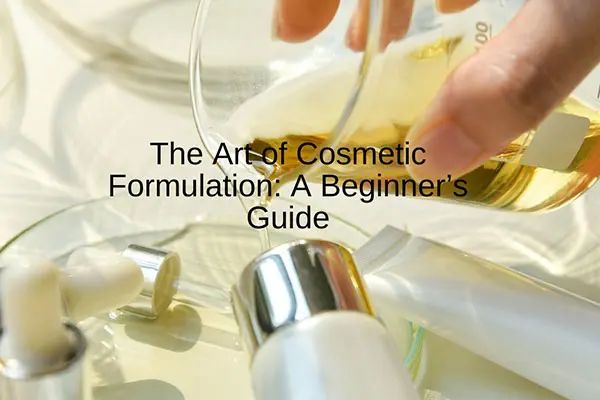
The beauty industry has evolved tremendously over the years, with cosmetic products becoming more advanced, targeted, and tailored to consumers’ specific needs. For those looking to create their own cosmetic line or simply understand the process of product development, learning the art of cosmetic formulation is essential. Formulating cosmetics is a science that combines creativity with technical knowledge, and it involves understanding ingredients, processes, and the end consumer’s needs.
What is Cosmetic Formulation?
Cosmetic formulation is the process of blending different ingredients together to create a finished cosmetic product that is both safe and effective for consumer use. This process involves selecting ingredients that serve specific purposes, balancing their properties to achieve the desired product texture, performance, and stability, and ensuring that the formulation is safe for the skin and meets regulatory standards.
Formulating cosmetics goes beyond just creating a mixture of ingredients; it’s about understanding the science of each ingredient, its role in the final product, and how it interacts with other components. The art of cosmetic formulation involves careful testing, refinement, and tweaking until the desired results are achieved, ensuring that the product works as intended and appeals to consumers.
Key Ingredients in Cosmetic Formulation
The backbone of any cosmetic product is its ingredients. Formulators select ingredients based on their intended function, such as moisturizing, cleansing, or anti-aging. Below are some of the key categories of ingredients commonly used in cosmetic formulations:
1. Active Ingredients
These ingredients have proven efficacy and are often marketed as the main selling points of a product. Examples include:
Hyaluronic acid: A powerful hydrating agent that attracts moisture to the skin.
Retinol: A form of vitamin A that helps reduce the appearance of fine lines and wrinkles.
Vitamin C: Known for its brightening and antioxidant properties, it can help reduce dark spots and even skin tone.
2. Base Ingredients
Base ingredients form the foundation of most cosmetic products and are responsible for the texture and consistency of the product. They include:
Water: The most common base for emulsions like creams and lotions.
Oils: Used to add emolliency and moisturization (e.g., jojoba oil, argan oil).
Emulsifiers: These ingredients help blend oil and water together to create stable emulsions (e.g., cetearyl alcohol, lecithin).
3. Preservatives
Preservatives are essential in cosmetic formulations because they prevent the growth of harmful microorganisms and extend the shelf life of the product. Without preservatives, cosmetics would be prone to bacterial or fungal contamination, which could be harmful to consumers. Common preservatives include:
Phenoxyethanol: A common preservative that prevents bacterial growth.
Ethylhexylglycerin: A preservative booster that is often combined with other preservatives.
While preservatives are necessary, formulators aim to use the most skin-friendly and gentle options to ensure product safety.
4. Fragrances and Colors
Fragrances are used to make products more pleasant to use, while colorants add appeal and a visual experience. For example:
Fragrances: May be natural (like essential oils) or synthetic, providing the product with a signature scent.
Colors: Synthetic or natural pigments are used to add color to cosmetic products such as makeup and Skincare. These can be mineral-based or chemical-based, depending on the desired effect.
When selecting fragrances and colors, formulators must consider how these elements may interact with sensitive skin, as some ingredients can cause irritation.
5. Excipients
Excipients are supporting ingredients that help improve the texture, stability, or performance of the formulation. These may include:
Thickeners: Used to increase the viscosity of a product (e.g., xanthan gum, carbomer).
Stabilizers: Help maintain the consistency of the product, preventing separation (e.g., butylene glycol).
Solubilizers: Aid in dissolving certain ingredients into the product, such as essential oils into water-based products (e.g., polysorbate 20).
Excipients ensure the cosmetic product performs as expected, with the right texture, consistency, and stability.
The Basic Steps in Cosmetic Formulation
The process of cosmetic formulation can seem complex, but breaking it down into a few basic steps makes it easier to understand. Below is a general guide to how cosmetic formulations are created.
Step 1: Research and Concept
Before beginning the formulation process, formulators must research the target market and understand their needs. Are you targeting consumers looking for anti-aging benefits, sensitive skin care, or acne treatments? Based on these insights, formulators identify the key ingredients that will address these needs and begin the process of designing the product.
Step 2: Ingredient Selection
The next step is selecting ingredients that align with the product’s purpose. This step involves choosing active ingredients, base ingredients, preservatives, and other additives that will give the product the desired texture and benefits. The goal is to combine ingredients that complement each other and create a stable, effective formulation.
Step 3: Mixing and Blending
Once the ingredients are chosen, they must be carefully blended together. Mixing may involve heating certain ingredients to dissolve them, adding emulsifiers to combine oil and water-based components, or using mixers to achieve the desired consistency. This is a delicate process that requires precision to ensure that the product is well-mixed and stable.
Step 4: Testing and Adjustments
After the initial formulation is created, the product undergoes various tests. These tests check for stability, safety, and effectiveness. Testing may include:
Stability testing: Ensures the product maintains its integrity over time.
Patch testing: Ensures the product is safe for skin application and doesn’t cause irritation.
Sensory testing: Checks for the texture, scent, and overall feel of the product.
Based on the results, formulators may need to tweak the ingredients or process until the product meets the desired standards.
Step 5: Finalizing the Formula
Once the product has been refined and tested, it is ready for production. Final adjustments may involve selecting packaging, ensuring that the formula is appropriately preserved, and labeling the product with all necessary information (e.g., ingredients, instructions, warnings). The product is then ready for distribution.
Different Types of Cosmetic Formulations
Cosmetic products come in various types, each requiring a slightly different approach to formulation. Some common types include:
Creams and Lotions
Creams and lotions are emulsions that combine oil and water to provide hydration to the skin. Creams are generally thicker, while lotions are lighter in texture. Formulating these products involves using emulsifiers to create a smooth, stable blend.
Gels and Serums
Gels are typically lightweight and non-greasy, making them ideal for people with oily skin or for products designed to have a cooling effect. Serums are concentrated treatments, often used for targeted concerns like aging or pigmentation. Both require a careful balance of active ingredients and stabilizers to maintain their effectiveness.
Oils and Balms
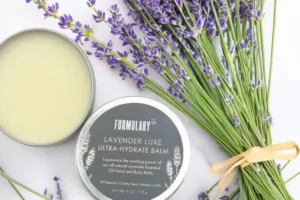
Oils and balms are often formulated with natural oils to nourish and hydrate the skin. Balms tend to have a thicker, more wax-like consistency and are perfect for moisturizing dry skin areas. The formulation for oils and balms involves selecting emollient-rich ingredients like plant oils and butters.
Masks and Peels
Masks and peels are designed to target specific skin concerns such as exfoliation, deep cleansing, or hydration. These formulations often include a combination of active ingredients that provide immediate results, such as clay for deep cleansing or glycolic acid for exfoliation.
The Role of pH in Cosmetic Formulation
pH is an essential factor in cosmetic formulation, as it affects the stability and performance of a product. The skin’s natural pH is slightly acidic, typically between 4.5 and 5.5, and cosmetic formulations must be balanced accordingly to prevent irritation. Many formulations, such as skincare and hair care products, need to have a pH level that matches the skin or hair to ensure safety and effectiveness. Formulators test and adjust pH levels during the creation process to ensure the product performs as intended.
Conclusion
The art of cosmetic formulation is an intricate process that requires a mix of creativity, scientific knowledge, and technical skill. As a beginner, understanding the key ingredients, steps involved, and types of formulations can set the foundation for creating your own cosmetics line or simply appreciating the complexity behind the products you use every day.