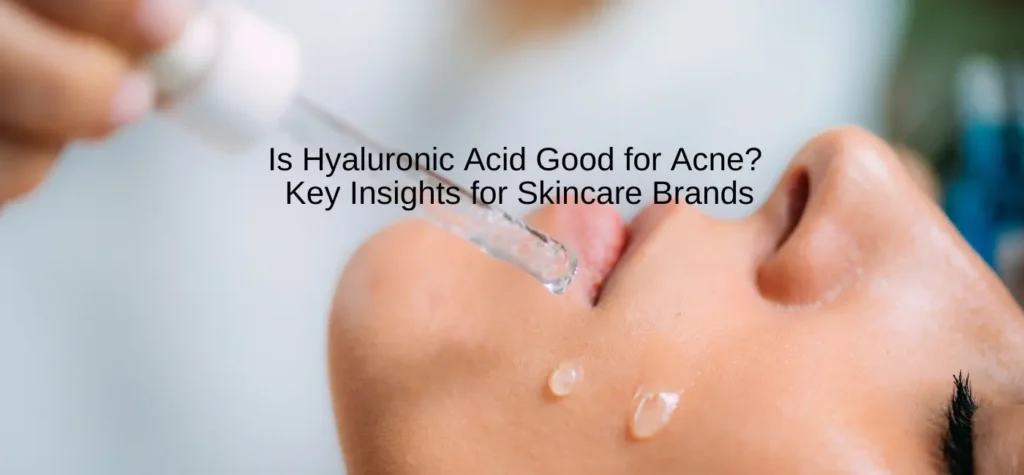
Hyaluronic acid has become one of the most widely used ingredients in skincare products, praised for its ability to deeply hydrate and improve skin health. It’s especially popular in moisturizers, Serums, and even cleansers, but many people wonder if it’s suitable for acne-prone skin. The key question here is, Is hyaluronic acid good for acne? As acne is a common skin condition that affects a large portion of the population, especially teenagers and young adults, skincare brands are always on the lookout for effective ingredients that can both target acne and support the skin’s overall health.
The answer is yes – hyaluronic acid is not only safe for acne-prone skin but also beneficial. It can help to balance hydration levels, promote healing, and improve skin texture without clogging pores or causing irritation. In fact, it can be a game-changer when it comes to developing acne-friendly products that cater to consumers looking for solutions to both hydrate and treat their skin concerns. This article dives into why hyaluronic acid is effective for acne, how it works with acne-prone skin, and how Skincare Brands can incorporate this ingredient into their products to cater to a growing market segment.
What Is Hyaluronic Acid and How Does It Work?
Hyaluronic acid is a naturally occurring substance in the body, primarily found in the skin, joints, and connective tissues. In skincare, it acts as a humectant, which means it draws water from the environment and deeper layers of the skin into the surface. This ability allows hyaluronic acid to hydrate the skin, leaving it plump, smooth, and youthful. It can hold up to 1000 times its weight in water, making it one of the most potent hydration agents available in skincare. Despite its incredible moisturizing abilities, many consumers still hesitate to use it, fearing it may worsen acne. However, hyaluronic acid is non-comedogenic, meaning it does not clog pores, which is a crucial factor for individuals with acne-prone skin.
Why Hyaluronic Acid Is Good for Acne-Prone Skin
One of the key benefits of hyaluronic acid for acne-prone skin is that it provides deep hydration without clogging pores. For acne sufferers, it’s often believed that moisturizing can exacerbate the problem by adding oils or heavy ingredients that lead to breakouts. This misconception stems from the idea that oily skin shouldn’t be moisturized, but in reality, the opposite is true. Acne-prone skin often produces excess oil as a response to dehydration. Without proper hydration, the skin compensates by overproducing oil, which can further exacerbate acne. Hyaluronic acid, however, is a lightweight, water-based ingredient that hydrates the skin without adding excess oil. By keeping the skin moisturized, it helps regulate sebum production, making it less likely to clog pores or cause breakouts.
Additionally, hyaluronic acid plays a significant role in the skin’s healing process. Acne can often leave behind scars and blemishes, and in some cases, the skin takes longer to heal due to inflammation or dehydration. The moisturizing and anti-inflammatory properties of hyaluronic acid can help to accelerate the healing process, reducing the appearance of acne scars and promoting a smoother, clearer complexion. By replenishing moisture and maintaining skin elasticity, hyaluronic acid helps to speed up the recovery of damaged skin, making it an excellent choice for those with acne scars.
Another important aspect of acne treatment is controlling the skin’s oil production. Excessive oil production is one of the main causes of acne, as it can mix with dead skin cells and clog pores, leading to the formation of pimples and blackheads. Hyaluronic acid can help balance oil production by keeping the skin hydrated without triggering excess oil production. It hydrates the skin’s deeper layers, which signals to the sebaceous glands that they don’t need to produce as much oil. As a result, the skin becomes less oily, and the risk of acne development decreases.
Common Misconceptions About Hyaluronic Acid and Acne
Despite all these benefits, there are still some misconceptions surrounding hyaluronic acid, especially when it comes to acne-prone skin. One common myth is that hyaluronic acid can make acne worse by increasing oil production or clogging pores. However, this is not the case. Hyaluronic acid is an ultra-lightweight ingredient that absorbs quickly into the skin and doesn’t leave a greasy residue. In fact, it is particularly beneficial for people with oily or combination skin, as it hydrates the skin without contributing to an oily buildup.
Some people may also believe that hyaluronic acid should be avoided when using other acne treatments, such as salicylic acid, benzoyl peroxide, or retinoids. While it is true that these treatments can sometimes cause dryness or irritation, hyaluronic acid can actually help mitigate these effects by providing essential moisture and soothing the skin. When used alongside acne treatments, hyaluronic acid can enhance the overall effectiveness of the regimen by promoting hydration, reducing irritation, and supporting the skin’s natural barrier.
Best Practices for Using Hyaluronic Acid on Acne-Prone Skin
To ensure that hyaluronic acid works effectively on acne-prone skin, it is important to choose the right formulation and concentration. In general, hyaluronic acid serums with a concentration of 1% to 2% are ideal for acne-prone skin. These concentrations are potent enough to provide hydration and skin benefits without overwhelming the skin or causing irritation. Additionally, it’s important to consider the other ingredients in the product. Look for lightweight, non-comedogenic formulas that do not contain heavy oils, fragrances, or alcohols, as these can potentially irritate or clog the pores.
For skincare brands developing products for acne-prone consumers, hyaluronic acid offers a versatile and effective option to improve hydration and balance. When formulating a product featuring hyaluronic acid for acne, consider pairing it with other active ingredients that address common acne concerns. For example, incorporating salicylic acid, which exfoliates the skin and unclogs pores, with hyaluronic acid can provide a dual benefit of treating acne while maintaining moisture levels. Alternatively, combining hyaluronic acid with niacinamide can further reduce inflammation, soothe the skin, and control oil production.
The packaging of a hyaluronic acid product is also an essential consideration for skincare brands. As hyaluronic acid is sensitive to air and light, it’s important to choose packaging that protects the ingredient from degradation. Airless pumps or dark-colored glass bottles are ideal for maintaining the product’s integrity and extending its shelf life. Proper packaging also ensures that the product is easy to use and hygienic, which is especially important for acne treatments.
Examples of Successful Products Featuring Hyaluronic Acid for Acne
There are already several products on the market that successfully incorporate hyaluronic acid into acne-targeted formulations. For instance, The Ordinary’s Hyaluronic Acid 2% + B5 serum is a popular choice that offers deep hydration without clogging pores, while Paula’s Choice CLEAR Hydrating Gel uses a combination of hyaluronic acid and other soothing ingredients to calm acne-prone skin. These products have gained popularity for their ability to hydrate the skin without aggravating acne, proving that hyaluronic acid is an excellent addition to acne treatment routines.
How Hyaluronic Acid Benefits Acne Scarring
Finally, hyaluronic acid is not only effective for treating active acne but also beneficial for improving the appearance of acne scars. Acne scars can take a long time to heal, but maintaining moisture levels is crucial for the regeneration of healthy skin. Hyaluronic acid supports collagen production and skin repair, helping to reduce the appearance of scars and promote smoother skin texture.
For skincare brands looking to create acne-focused products, hyaluronic acid should be a key ingredient in their formulations. Whether it’s used in a serum, moisturizer, or treatment mask, hyaluronic acid can provide much-needed hydration, promote healing, and balance oil production, all while being gentle enough for acne-prone skin. By incorporating hyaluronic acid into their products, skincare brands can meet the needs of consumers looking for effective acne solutions that don’t compromise hydration or skin health.
Conclusion
The best niacinamide serum is one that combines high-quality ingredients, effective concentrations, and appealing packaging. By following the tips outlined above, you can develop a niacinamide serum that stands out in the competitive skincare market, attracts customers, and delivers the skincare benefits that consumers desire. Ready to create your own niacinamide serum? Contact Opesve to get started on your journey to launching a top-quality product!
FAQ Section
What are the best ingredients for a firming body lotion?
Firming body lotions should include collagen, peptides, caffeine, retinol, hyaluronic acid, and botanical extracts to support skin elasticity and hydration.
How long does it take to develop a private-label firming body lotion?
The development process typically takes three to six months, depending on formulation complexity, testing requirements, and production scale.
Can I create an organic or vegan firming body lotion with Opseve?
Yes, Opseve offers organic and vegan formulations using plant-based ingredients while maintaining high-performance firming benefits.
For brands ready to develop a high-quality firming body lotion, Opseve provides end-to-end OEM and private-label manufacturing services. Contact Opseve today to start your product development journey.