For beauty brands, choosing the right products to include in your line is crucial for meeting consumer expectations and staying ahead in the competitive beauty industry. Pressed powder and powder foundation are two essential items that often create confusion for brands aiming to curate a product range that suits diverse customer needs. Understanding the differences between these two products is vital to crafting a product line that delivers on performance and versatility. This guide provides a comprehensive breakdown of pressed powders and powder foundations, empowering beauty brands to make informed decisions for their product offerings.
What is Pressed Powder?
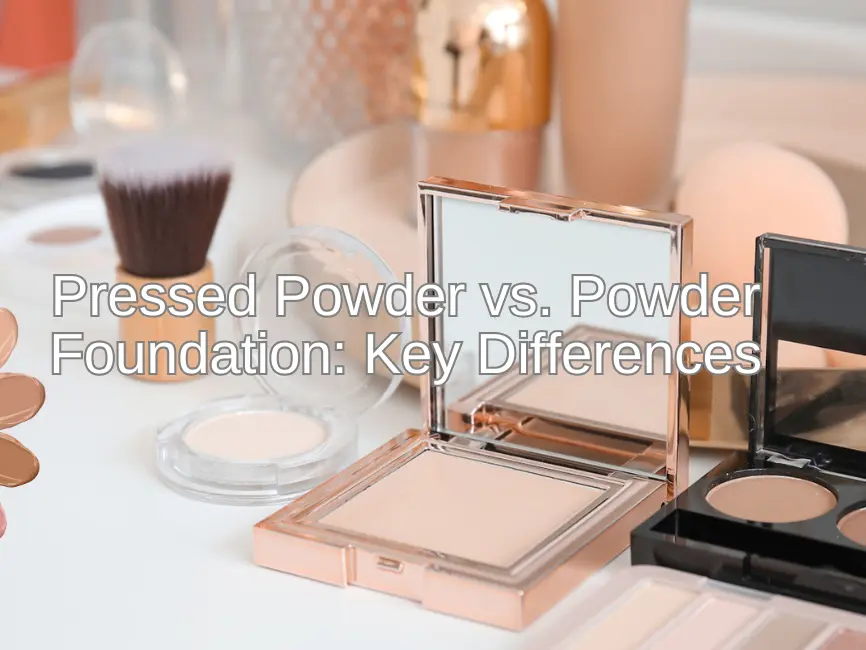
Pressed powder is a versatile product that comes in a compact form, consisting of finely milled powders pressed together. It’s widely loved for its convenience and ability to set makeup, control shine, and provide a polished look.
Features of Pressed Powder:
Formulation: Lightly pigmented or translucent, often containing skin-friendly ingredients like minerals or mattifying agents.
Purpose: Primarily used to set liquid or cream products, control oil, reduce shine, and create a smooth finish.
Texture: Lightweight, easy to blend, and suitable for layering without caking.
Common Uses:
Setting Makeup: Lock liquid or cream foundations into place for long-lasting wear and a flawless appearance.
Touch-Ups: Perfect for on-the-go applications to refresh makeup throughout the day.
Shine Control: Helps absorb excess oil, especially in the T-zone, for a fresh and matte complexion.
Minimizing Pores: Creates a soft-focus effect, reducing the visibility of pores and fine lines.
Types of Pressed Powders:
Translucent Pressed Powder: Offers an invisible finish that adapts to various skin tones, making it a universal option.
Tinted Pressed Powder: Adds a subtle hint of color to enhance the skin’s tone or provide light coverage.
Shimmer Pressed Powder: Infused with light-reflecting particles for a radiant and glowing look, ideal for special occasions or highlighting.
Oil-Control Pressed Powder: Specifically designed for oily or combination skin, ensuring long-lasting mattification.
Pressed powder’s versatility and ease of use make it an essential addition to any beauty brand’s product line, catering to a broad audience with diverse needs.
What is Powder Foundation?
Powder foundation is a multitasking product that provides coverage and a smooth, even complexion. Unlike pressed powder, powder foundation has higher pigmentation and can be used alone as a base product.
Features of Powder Foundation:
Formulation: Combines pigments and powders for buildable coverage.
Purpose: Acts as a foundation and a setting product.
Texture: Denser and more pigmented compared to pressed powder.
Popular Finishes:
Matte: Suitable for oily skin types, offering a shine-free look.
Luminous: Adds radiance to the skin, perfect for normal to dry skin.
Natural: Mimics the skin’s texture for a seamless, everyday look.
Advantages:
Coverage: Provides medium to full coverage.
Efficiency: Eliminates the need for multiple products.
Ease of Use: Can be applied quickly with a brush or sponge.
Common Uses:
Standalone Foundation: Perfect for those seeking a lightweight yet effective base product.
Layered Coverage: Can be used over a liquid foundation for added coverage and staying power.
Mattifying Effect: Controls shine and creates a smooth, velvety finish for long-lasting wear.
Event-Ready Makeup: Offers buildable coverage for flawless skin, suitable for special occasions.
Powder foundation’s versatility and performance make it a must-have product for brands looking to offer high-quality, multifunctional options in their makeup lines.
Key Differences Between Pressed Powder and Powder Foundation
While pressed powder and powder foundation share similarities, their differences cater to specific makeup needs. Understanding these distinctions ensures optimal use of each product.
1. Coverage
Pressed Powder: Offers sheer to light coverage, ideal for setting makeup or touch-ups.
Powder Foundation: Delivers medium to full coverage, functioning as a standalone foundation.
2. Purpose
Pressed Powder: Primarily used for setting liquid or cream products and reducing shine.
Powder Foundation: Provides base coverage, eliminating the need for liquid foundation.
3. Texture and Formulation
Pressed Powder: Lightweight and often translucent, designed to work with other products.
Powder Foundation: Denser and more pigmented, suitable for standalone use.
4. Application Methods
Pressed Powder: Best applied with a fluffy brush or powder puff for a natural finish.
Powder Foundation: Applied with a dense brush or sponge for even coverage.
5. Skin Types
Pressed Powder: Ideal for oily or combination skin to control shine.
Powder Foundation: Suitable for normal to oily skin; may require hydration for dry skin types.
How to Find the Right Pressed Powder and Powder Foundation Manufacturers
For beauty brands, partnering with the right manufacturer is critical to ensuring product quality, brand consistency, and customer satisfaction. Here are some steps to guide your search:
1. Define Your Requirements
Determine your target audience and their needs (e.g., matte finish for oily skin, natural finish for daily wear).
Decide on the type of packaging and price range suitable for your brand.
2. Research Potential Manufacturers
Look for manufacturers with experience in producing pressed powders and powder foundations.
Ensure they comply with global safety standards and have certifications like GMP or ISO.
3. Request Samples
Evaluate the texture, pigmentation, and overall quality of their products.
Test compatibility with different skin types and under various conditions.
4. Assess Customization Options
Ensure the manufacturer offers flexibility in formulation and packaging to align with your brand’s identity.
Ask about sustainable and eco-friendly options if your brand values green practices.
5. Verify Reputation and Reviews
Check for client testimonials and case studies.
Look for transparency in their sourcing and manufacturing processes.
6. Establish Clear Communication
Partner with a manufacturer that values open communication and collaborative problem-solving.
Ensure they offer robust after-sales support.
Pros and Cons of Each Product
Pressed Powder
Pros:
Lightweight and easy to carry.
Controls oil and shine effectively.
Suitable for touch-ups on the go.
Cons:
Minimal coverage, unsuitable for standalone use.
Can emphasize dryness if over-applied.
Powder Foundation
Pros:
Provides buildable coverage.
Can be used as both a foundation and a setting powder.
Long-lasting and ideal for oily skin.
Cons:
May highlight dry patches or fine lines.
Requires proper application tools to avoid a cakey finish.
Tips for Application
Use a clean, fluffy brush for pressed powder to achieve a soft, natural finish.
Apply powder foundation with a damp sponge for fuller coverage and a smooth texture.
Avoid over-applying either product to prevent a cakey appearance.
Always prep your skin with moisturizer and primer to enhance the longevity and finish of powder products.
Final Thoughts
For beauty brands, understanding the differences between pressed powder and powder foundation is a pivotal step in creating a well-rounded product line. While pressed powders are perfect for setting makeup and controlling shine, powder foundations cater to customers seeking a multitasking product that offers coverage and convenience. By selecting the right product type and partnering with reliable manufacturers, you can deliver high-quality offerings that resonate with your target audience.
Opseve specializes in providing comprehensive, end-to-end manufacturing solutions tailored to your brand’s unique needs. From formulation to packaging, our expertise ensures that your products meet industry standards and exceed customer expectations. Partner with Opseve today and elevate your brand’s presence in the competitive beauty market.
FAQs
1. Can pressed powder be used as a foundation?
While pressed powder provides minimal coverage, it’s not a substitute for foundation. It’s best used as a setting or touch-up product.
2. What tools are best for applying powder foundation?
A dense brush or makeup sponge ensures even application and allows for buildable coverage.
3. Is pressed powder suitable for dry skin?
Pressed powder can be used on dry skin, but it’s essential to moisturize beforehand and apply sparingly to avoid emphasizing texture.
4. How do I prevent a cakey finish with powder products?
Apply powders in light layers, use hydrating sprays, and blend well to achieve a natural finish.
5. Can I layer powder foundation over liquid foundation?
Yes, powder foundation can be layered over liquid foundation for added coverage and a matte finish, provided it’s applied sparingly and blended well.