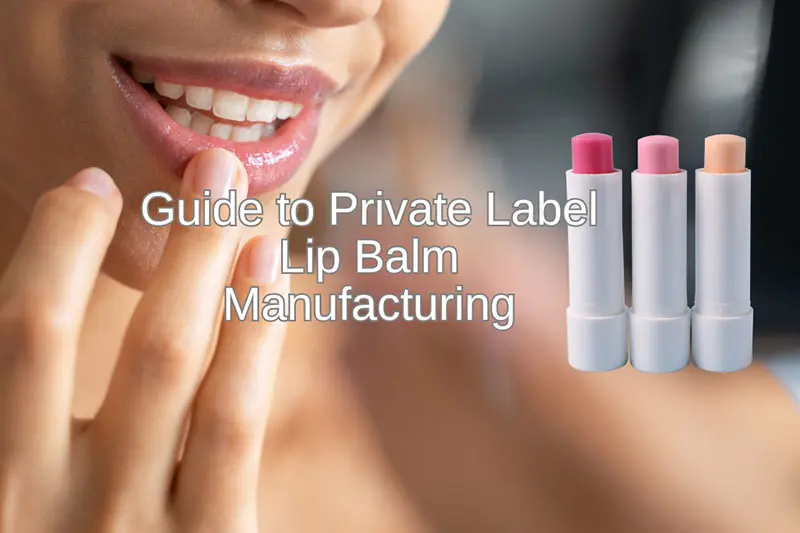
If you’re looking to start a Skincare brand or expand your existing product line, private labeling lip balm can be a great opportunity. With private labeling, you can create a unique lip balm product under your own brand name without the complexities of manufacturing it yourself. In this guide, we’ll walk you through everything you need to know about private label lip balm manufacturing.
What is Private Label Lip Balm?
Private labeling is when a manufacturer creates a product and allows another company (you, the brand owner) to sell it under your own brand name. For lip balms, this means you get to choose the ingredients, flavors, packaging, and other product details, while the manufacturing is handled by an experienced cosmetics manufacturer. Private label lip balms offer flexibility, speed to market, and reduced production costs, making them an attractive option for entrepreneurs and businesses.
Why Choose Private Label Lip Balm Manufacturing?
Private labeling offers several benefits to business owners:
Cost-Effectiveness: Manufacturing products can be expensive, especially when it involves large-scale production and complex formulations. With private labeling, you can avoid these initial costs and benefit from the manufacturer’s established facilities.
Customization Options: You can customize everything from the lip balm’s formula to its packaging, ensuring it fits your brand’s identity.
Quick Time-to-Market: You can skip the long development time of creating a product from scratch, getting your lip balm on shelves faster.
Low Minimum Orders: Many manufacturers offer low MOQs, making it accessible for small businesses or start-ups.
The Private Label Lip Balm Manufacturing Process
Step 1: Product Development
The first stage in manufacturing your private label lip balm is product development. This is where you decide on the key characteristics of your lip balm, including the ingredients, texture, and additional features. You can choose to formulate a simple moisturizing lip balm or create one with added benefits such as SPF protection, exfoliation, or anti-aging properties.
Ingredient Selection: Lip balms typically contain natural ingredients like beeswax, shea butter, and coconut oil, which help to hydrate and protect the lips. You can also include essential oils for added fragrance or therapeutic benefits.
Flavor and Scent Options: Decide on the scent or flavor of your lip balm. Popular options include mint, vanilla, coconut, and lavender, but you can get creative with fruity or floral scents.
Texture and Consistency: Some lip balms are thick and rich, while others are lighter and more emollient. You’ll need to determine the right balance for your target audience.
SPF and Additional Benefits: If you want to create a lip balm that offers sun protection, you can incorporate SPF ingredients like zinc oxide or titanium dioxide.
Step 2: Formula Creation
Once the product concept is defined, your manufacturer will develop the formula. This involves formulating the product, ensuring it meets quality and safety standards. During this stage, manufacturers typically conduct stability and safety tests to confirm that the product is safe for consumer use.
Step 3: Packaging Design
Packaging is key to creating a strong brand identity. Custom packaging options for lip balms range from traditional stick tubes to pots or even eco-friendly biodegradable tubes. Consider the following when designing your packaging:
Brand Identity: Your packaging should reflect your brand’s values, whether it’s eco-friendly, luxury, or natural.
Eco-Friendly Packaging: There is growing consumer demand for sustainable packaging. You may choose to go with recyclable or biodegradable materials to appeal to eco-conscious consumers.
Labeling Requirements: Be sure your packaging complies with regulations for cosmetic products, including ingredient lists, usage instructions, and expiration dates.
Step 4: Manufacturing and Production
Once the formula and packaging are finalized, it’s time for mass production. This is where your private label manufacturer will produce your lip balm in bulk. The process typically involves mixing ingredients, pouring the balm into molds or containers, and setting the product.
Manufacturers will test products for consistency, texture, and packaging integrity to ensure the lip balm meets the highest standards.
Step 5: Fulfillment and Distribution
After production, the lip balms are packaged and prepared for shipping. If you’re selling directly to consumers, your manufacturer can provide fulfillment services. Alternatively, you can handle shipping and inventory management on your own.
Key Ingredients in Lip Balm
Beeswax: A natural wax that helps form a protective barrier on the lips and locks in moisture.
Shea Butter: Known for its moisturizing and healing properties.
Coconut Oil: Provides hydration and acts as an antimicrobial agent.
Vitamin E: A powerful antioxidant that helps nourish and protect the skin.
Aloe Vera: Often added for its soothing and moisturizing properties.
Fragrance and Flavors
Essential Oils: Add natural fragrances like peppermint, lavender, or citrus.
Artificial Flavors: Synthetic flavors can be used, but many consumers prefer natural options.
Colorants
Some brands opt to add color to their lip balms. Natural colorants such as beet juice or iron oxide can provide a tint, while synthetic colorants are also available.
Customizing Your Lip Balm Brand
With private labeling, you have the flexibility to fully customize your lip balm to align with your brand’s identity. Here’s how to differentiate your product:
Brand Identity
Create a unique and compelling brand story. What makes your brand different from others in the market? Are you focused on sustainability, luxury, or natural ingredients? Make sure your brand messaging aligns with your product values.
Formulation Customization
You can also differentiate your product by offering specialized formulations like organic, vegan, or cruelty-free options. Adding functional ingredients such as SPF or antioxidants can make your lip balm stand out in the market.
Unique Selling Proposition (USP)
Developing a strong USP is crucial for marketing your product. Whether it’s the quality of ingredients, the eco-friendly packaging, or a unique scent, make sure your lip balm has something special to offer that customers can’t find elsewhere.
Regulatory Considerations For Lip Balm Brand
FDA Regulations (for U.S. Brands)
Lip balms are considered cosmetics in the U.S. and must comply with FDA regulations. This includes proper labeling, ingredient listing, and safety testing. The FDA also monitors certain ingredients, such as colorants and preservatives, for safety.
International Regulations
If you plan to sell your lip balm internationally, you’ll need to comply with local regulations. In the EU, for example, lip balms are regulated under the Cosmetics Regulation (EC) No 1223/2009, which outlines rules for safety, ingredients, and labeling.
Certifications
Consider certifications like organic, cruelty-free, or vegan, which can help appeal to specific consumer groups and boost brand credibility.
Choosing the Right Private Label Manufacturer
Choosing a reliable and experienced private label manufacturer is crucial for the success of your lip balm brand. Here’s what to look for:
Experience: Make sure the manufacturer has experience in producing cosmetics, especially lip balms.
Customization: Ensure they offer a range of customization options for ingredients, packaging, and labeling.
Quality Control: A good manufacturer should have robust quality control processes to ensure product consistency and safety.
Questions to Ask Potential Manufacturers
● What is the lead time for production?
● What are the minimum order quantities?
● Can I get a sample before placing a bulk order?
● How do you handle packaging and labeling?
Sustainability and Eco-Friendly Trends in Lip Balm Manufacturing
Consumers are increasingly seeking eco-friendly and sustainable products. Here are some trends to consider:
Sustainable Ingredients: Sourcing organic and ethically produced ingredients can appeal to eco-conscious consumers.
Eco-Friendly Packaging: Choose recyclable or biodegradable packaging materials to reduce your environmental impact.
Green Manufacturing: Work with manufacturers that follow green practices to minimize waste and energy consumption.
Common Challenges in Private Label Lip Balm Manufacturing
Quality Control: Ensure the manufacturer maintains high standards for consistency and safety.
Supply Chain Disruptions: Shortages of raw materials or packaging components can delay production.
Market Competition: The lip balm market is competitive, so differentiating your brand is key.
Final Thoughts
Private label lip balm manufacturing is an excellent way to launch or expand your cosmetics brand. With the ability to customize ingredients, packaging, and branding, you can create a unique product that stands out in a crowded market.
If you’re ready to get started, consider working with Opseve—a professional skincare manufacturer with 25 years of experience in creating high-quality Skincare Products. As a leading OEM/ODM manufacturer, Opseve can help bring your private label lip balm to life with expert formulation, premium ingredients, and customized packaging. Contact Opseve today to begin your journey towards.