In recent years, the Skincare market has seen a surge in demand for anti-aging products, driven by a growing awareness of skin health and the desire to preserve youthful skin. Consumers are increasingly looking for solutions that not only address visible signs of aging but also improve skin texture, tone, and overall health.
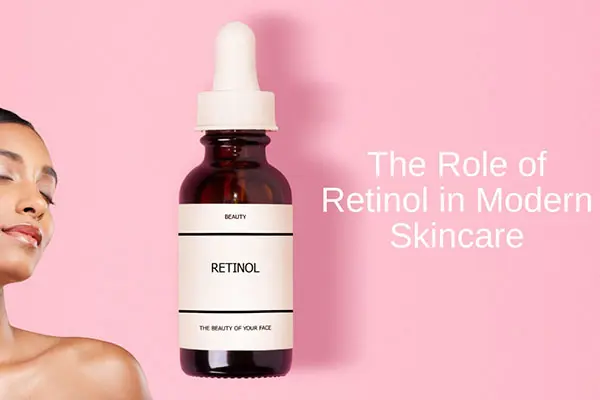
At the forefront of this movement is retinol, a powerhouse ingredient that has garnered widespread recognition for its remarkable anti-aging properties. From fine lines to acne, retinol’s ability to target multiple skin concerns has solidified its position as a staple in many Skincare Routines. This article delves into the science behind retinol, its benefits, innovations in formulation, and the future of this iconic ingredient.
The Role of Science and Innovation in Skincare
With technological advancements and ongoing research, the science behind skincare is constantly evolving. Innovation has allowed brands to formulate more effective and gentle products while enhancing consumer accessibility. Retinol, in particular, stands out due to its proven anti-aging efficacy and its ability to work at a cellular level. But as consumers demand even more from their skincare, formulators are now exploring innovative ways to improve retinol’s delivery, reduce irritation, and expand its reach to diverse skin types.
Understanding Retinol: The Gold Standard in Anti-Aging
What is Retinol?
Retinol, a derivative of Vitamin A, has long been regarded as the gold standard in anti-aging skincare. As a member of the retinoid family, retinol is the most common, over-the-counter form used to address various skin concerns, particularly those associated with aging.
When applied to the skin, retinol is converted into retinoic acid, which directly influences the behavior of skin cells. By promoting cell turnover, it encourages the production of new skin cells, leading to smoother, more youthful-looking skin. This process not only helps with the visible signs of aging but also provides long-term skin benefits.
Why Is Retinol Considered a Gold Standard in Anti-Aging Skincare?
Retinol’s widespread popularity is rooted in its ability to tackle a broad spectrum of skin issues. It’s known for its ability to reduce fine lines and wrinkles, smooth uneven skin texture, and even minimize pores. As a result, it has become a must-have ingredient for anyone looking to combat the effects of aging or improve skin tone.
The Science of Retinol: How It Works
How Retinol Works
Retinol’s anti-aging prowess stems from its ability to penetrate the skin and convert into retinoic acid, a compound that directly interacts with skin cells. This interaction stimulates the production of collagen, the protein that gives skin its firmness and elasticity, while also enhancing cell turnover—a process that removes dead skin cells to reveal newer, more vibrant skin underneath. Over time, these effects reduce the appearance of fine lines, wrinkles, and age spots.
Retinol’s influence extends beyond the surface layer of skin. It works deep within the dermis to encourage skin regeneration, ensuring that users benefit from smoother and firmer skin with consistent use.
The Key Benefits of Retinol
Reduction of Fine Lines and Wrinkles: As a powerful collagen stimulator, retinol helps reduce the visible signs of aging, such as wrinkles and fine lines, by boosting skin elasticity and firmness.
Improvement in Skin Texture and Tone: Retinol promotes cell turnover, helping to fade hyperpigmentation and revealing brighter, more even-toned skin.
Minimization of Pores and Acne Prevention: By promoting regular shedding of dead skin cells and preventing clogged pores, retinol can effectively reduce pore size and prevent acne breakouts.
Retinol vs. Other Retinoids
Retinol is often compared to stronger prescription retinoids, such as tretinoin, due to their similar mechanisms of action. However, tretinoin is a much stronger compound and can only be prescribed by a dermatologist. It’s typically used for more severe skin issues, such as acne scars and deep wrinkles. Retinol, on the other hand, is gentler, making it suitable for over-the-counter use and more accessible to a wider range of consumers. It’s also a preferred choice for individuals with sensitive skin who may find prescription retinoids too harsh.
Innovations in Retinol Formulations
The skincare industry is constantly pushing the boundaries to improve the effectiveness and skin compatibility of retinol. Here are some exciting innovations in retinol formulations that have made retinol more versatile and accessible:
Encapsulated Retinol
One of the most significant advances in retinol technology is encapsulation. Encapsulated retinol is protected in a tiny capsule that shields it from oxidation and degradation, ensuring its potency. This technology also reduces irritation by releasing the retinol gradually, minimizing the risk of irritation while enhancing its effectiveness over time.
Time-Release Technology
Similar to encapsulation, time-release technology offers a slow-release mechanism that gradually delivers retinol into the skin. This innovation allows for better tolerance, particularly for individuals with sensitive skin, while maximizing the benefits of retinol over a longer period.
Combination Formulas
To further enhance the benefits of retinol, many Skincare Brands are now pairing retinol with complementary ingredients, such as hyaluronic acid, niacinamide, and peptides. These combinations provide synergistic effects, where hyaluronic acid offers hydration to prevent dryness, while niacinamide calms inflammation, and peptides support skin repair and elasticity.
Plant-Based Retinol Alternatives
For those with sensitive skin, plant-based alternatives like bakuchiol have gained popularity. Bakuchiol, often referred to as “natural retinol,” provides similar anti-aging benefits without the potential irritation that traditional retinol might cause, making it an excellent option for those with delicate skin types.
Challenges and Solutions
Common Side Effects
While retinol is highly effective, it can also cause side effects, especially during the initial stages of use. Dryness, redness, and irritation are common, especially for individuals with sensitive skin. However, these issues are often temporary and can be mitigated with proper use.
How to Mitigate Irritation
To reduce the likelihood of irritation, it’s recommended to start with a lower concentration of retinol and gradually increase as your skin builds tolerance. Techniques like buffering—applying a moisturizer before retinol—can also minimize irritation. Additionally, hydrating products and soothing ingredients can help support skin while using retinol.
Sunscreen as a Must-Have Companion
Retinol increases the skin’s sensitivity to UV rays, making sunscreen an essential part of any retinol regimen. It’s crucial to apply broad-spectrum SPF daily to protect your skin from further damage while using retinol.
The Future of Retinol in Skincare
Emerging Research
Studies on retinol’s long-term benefits are ongoing, with research indicating that retinol may also help improve skin texture and tone over time, even beyond its anti-aging effects. Additionally, researchers are looking into the long-term safety of retinol and its compatibility with other active ingredients.
Personalized Skincare
As the skincare industry moves toward personalized skincare solutions, the demand for customized retinol formulations based on skin type and individual concerns will increase. This could lead to more tailored products that offer better results for diverse skin needs.
Sustainability in Retinol Production
Sustainability is becoming a crucial concern for many consumers. As such, brands are working towards eco-friendly sourcing of retinol and sustainable packaging to appeal to environmentally conscious buyers.
How to Choose the Right Retinol Product
Key Factors to Consider
When selecting a retinol product, consider the following factors:
Concentration: Start with a lower concentration (0.1%-0.5%) and gradually increase as your skin adjusts.
Formulation: Choose between serums, creams, or oils based on your skin type and desired texture.
Brand Reputation: Look for brands with a strong track record of clinical testing and positive consumer reviews.
Top Retinol Products on the Market
Some leading retinol products worth exploring include:
CeraVe Retinol Serum: Known for its gentle formulation, perfect for beginners.
RoC Retinol Correxion Deep Wrinkle Night Cream: A popular choice for targeting deep wrinkles.
The Ordinary Retinol 1% in Squalane: A high-potency option with a moisturizing base for added hydration.
To Sum Up: The Future of Retinol in Skincare
Retinol has earned its place as one of the most trusted ingredients in anti-aging skincare, thanks to its proven ability to reduce fine lines, improve texture, and promote healthy skin. As innovation in retinol formulations continues to evolve, so too will the potential benefits of this versatile ingredient. By understanding how retinol works, its benefits, and its limitations, consumers can make informed decisions on how best to incorporate it into their skincare routines for optimal results.
As the future of skincare evolves, retinol’s place at the forefront of anti-aging treatments will remain strong, and its role will continue to be shaped by emerging research and personalized skincare trends.